

cited from TOKYO NATIONAL MUSEUM Digital Research Archives https://webarchives.tnm.jp/
The theme this time is “Japanese and Ikebana“
Japan has developed a unique culture that blends Shinto animism with the Buddhist view of nature.
Among these cultural elements, flowers have held a special place for the Japanese people and one of the most popular flower art is Ikebana.
Here, I would like to write about the development of ikebana (Japanese flower arrangement) from historical perspectives.
■ 6th Century: The Introduction of Buddhism

cited from TOKYO NATIONAL MUSEUM Digital Research Archives https://webarchives.tnm.jp/
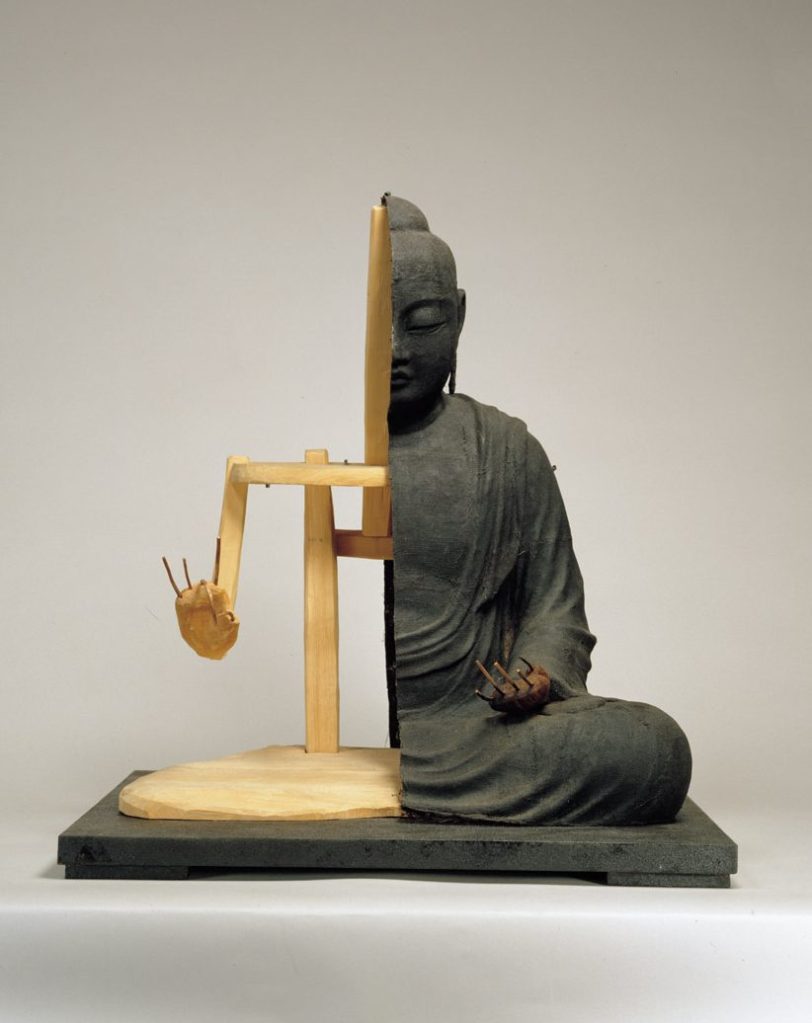
The origins of ikebana can be traced back to the introduction of Buddhism to Japan. It is widely believed that the custom of decorating with flowers began as part of Buddhist rituals, specifically with the offering of flowers, known as Kyo-ka (供花), placed in front of Buddhist statues.
However, from 6th century to 11th century , it was merely a part of religious ceremonies, and the concept of “ikebana” as an art form did not yet exist.
Note: Even today in Japan, it is a common practice to offer flowers at the family altar (Butsudan/仏壇), regardless of whether one is a Buddhist or not. A butsudan is a household altar dedicated to deceased family members, where family members light incense and pray in front of it.

cited from TOKYO NATIONAL MUSEUM Digital Research Archives https://webarchives.tnm.jp/
■ 7th to 11th Century: The Aristocracy and the Appreciation of Flowers
The unique lifestyle of the Japanese aristocracy played an essential role in the establishment of ikebana.
Beginning in the 7th century, Japan adopted the ritsuryō system/律令制度, which created a bureaucratic and aristocratic class centered around the emperor. These aristocrats often held gatherings in their gardens, known as hanami (flower viewing), where they admired flowers and composed poetry.

cited from TOKYO NATIONAL MUSEUM Digital Research Archives https://webarchives.tnm.jp/
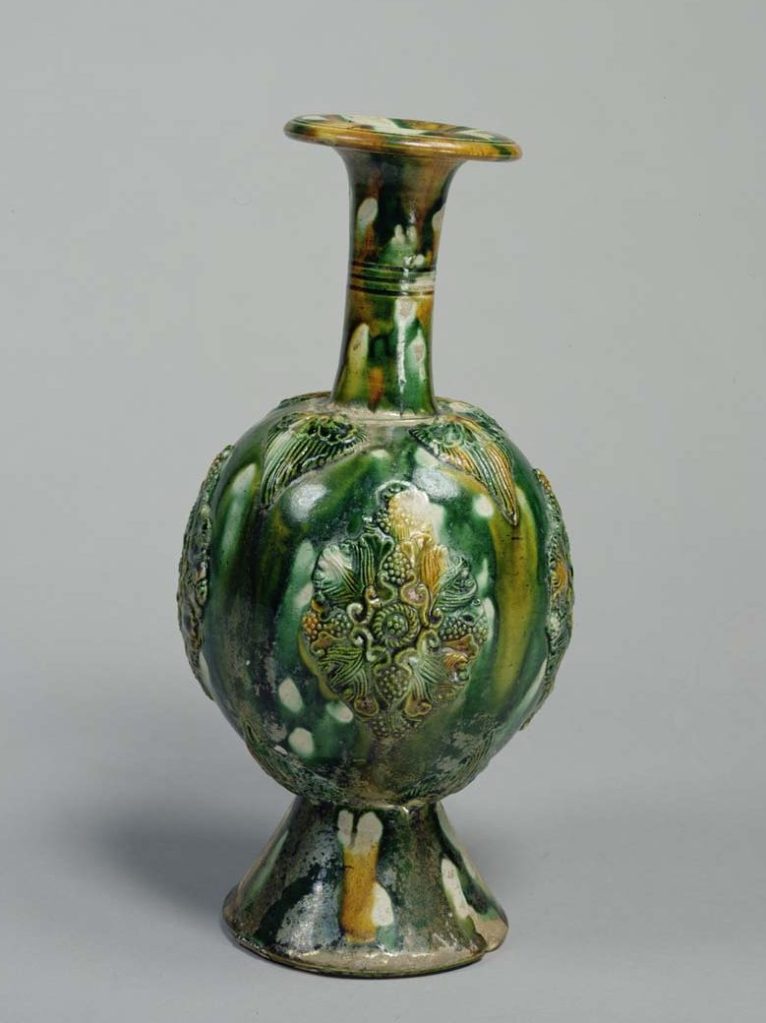
Additionally, during this period, a large number of refined ceramics and porcelain were imported from China (then the Tang Dynasty).
This influx of sophisticated art laid the foundation for the culture of beautifully arranging and appreciating flowers among the aristocracy.
cited from TOKYO NATIONAL MUSEUM Digital Research Archives https://webarchives.tnm.jp/
■ 12th to 15th Century: The Rise of the Samurai Society and the Establishment of Ikebana Schools
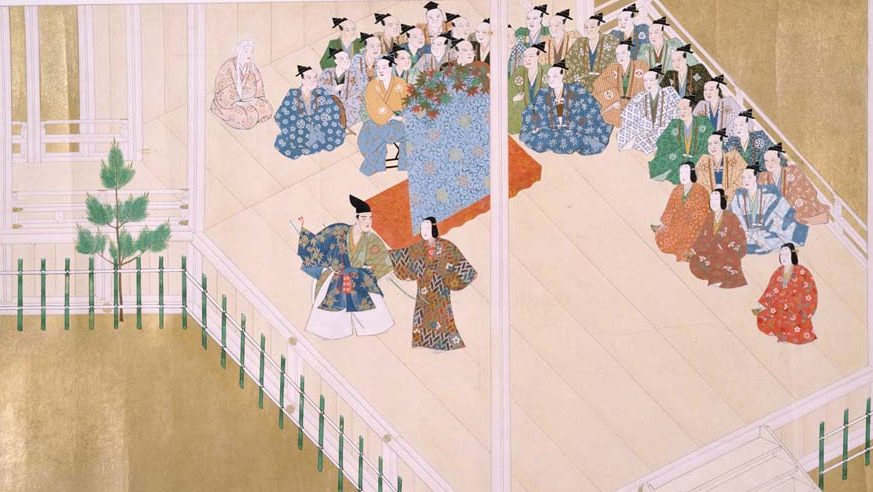
From the 12th century onward, samurai, who originated as armed self-defense groups in local regions, began to gain power with the support of local landowners, replacing the bureaucratic aristocracy. This era saw the birth of many traditional arts and cultural practices that still exist today, such as tea ceremony, ikebana, and Noh theater.
cited from TOKYO NATIONAL MUSEUM Digital Research Archives https://webarchives.tnm.jp/
It was during this period that the Ikenobō school of ikebana was established.
For example, a monk residing at the Rokkaku-dō temple developed a style of flower arrangement known as rikka (standing flowers). This style, which was used for offering flowers in front of Buddhist statues, became popular among the upper-class samurai and monks.

cited from TOKYO NATIONAL MUSEUM Digital Research Archives https://webarchives.tnm.jp/
■ 17th Century and Beyond: Ikebana as a Popular Culture
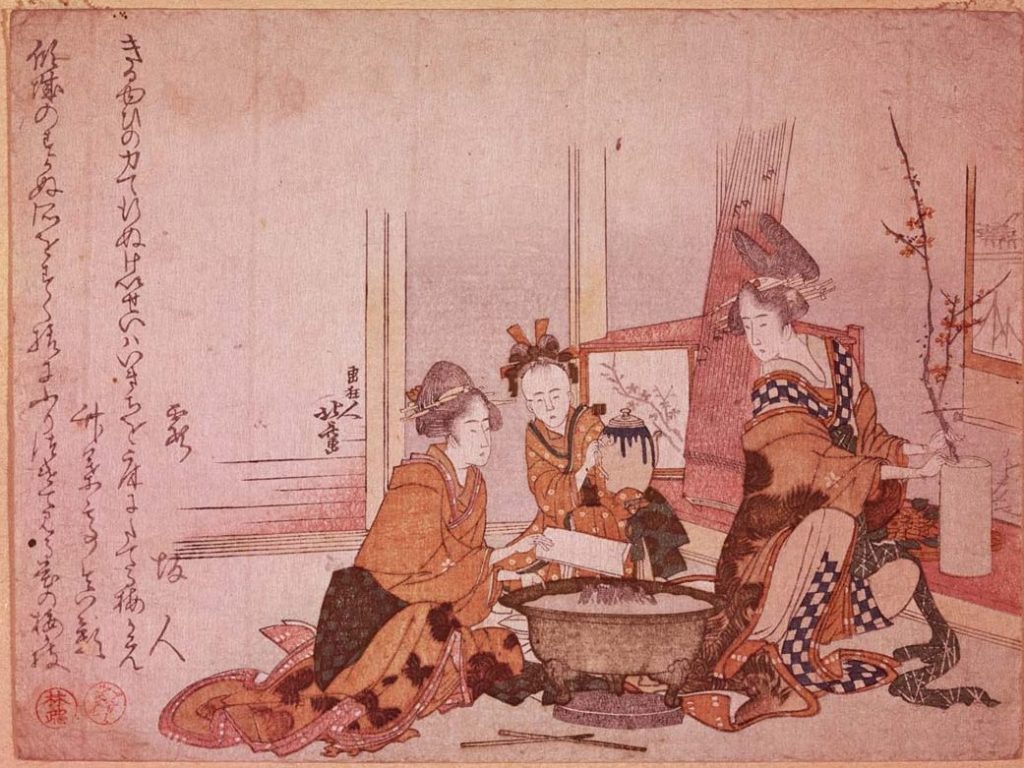
The 17th century, marked by the stable society established under the Edo Shogunate, was a time when many cultural practices spread and evolved among the general populace. This was supported by the increased economic activity of individuals and the resulting greater access to arts and culture for the common people.
cited from TOKYO NATIONAL MUSEUM Digital Research Archives https://webarchives.tnm.jp/
Ikebana also saw the emergence of many derivative schools, such as the Sogetsu school, branching out from the Ikenobō school.
Many of these schools still exist today, each preserving and respecting their unique styles and traditions while continuing their activities.
This historical journey highlights how ikebana evolved from a religious practice to an aristocratic pastime and eventually into a widely appreciated cultural art form, reflecting the changing dynamics of Japanese society over the centuries.
Note: All images are cited from TOKYO NATIONAL MUSEUM Digital Research Archives https://webarchives.tnm.jp/ edited by me.
by Myoyu : Japanese ikebana artist
IG: @_myoyu_
Mail: kenjik2021@gmail.com


Leave a comment